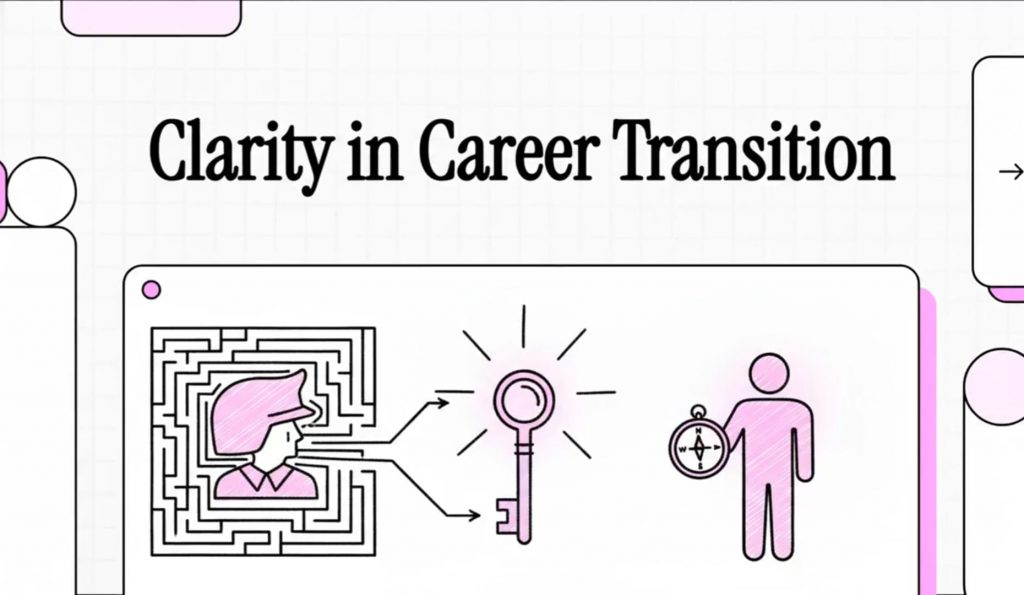
Every day, I work with mid-career professionals who want to move into new roles, new industries, or simply position themselves more competitively. What strikes me, over and over again, is how many talented people struggle to clearly explain the value of what they do. When that clarity is missing, confidence takes a hit – and in today’s challenging job market, especially with ongoing talent retention issues in the UK, that can quickly become a real barrier to progress.
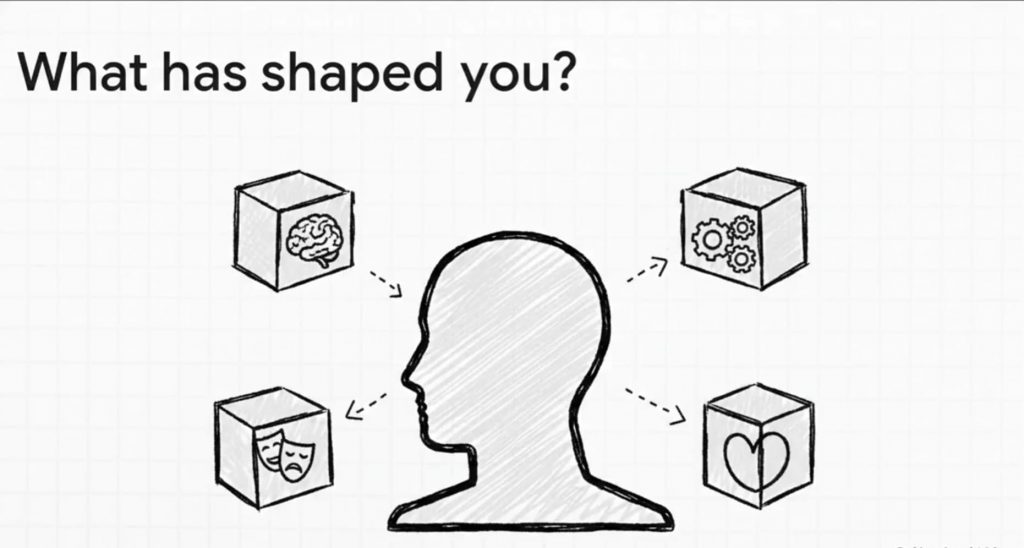
Having supported thousands of mid-career professionals through these crossroads, four core elements consistently make the difference between a risky leap and a well-judged move.
Talking about career change: Understand who you are.
Firstly, it starts with knowing who you are. For those who have served, that means understanding your identity as an officer or soldier-leader, and how it has shaped you over time.
When you pass out from Phase 1 training or graduate from Sandhurst, you do not just gain a new rank – you take on a whole new identity that begins to sit on top of your civilian one. People stop using your first name and instead call you by your rank and surname, and over the years, your civilian identity can feel like it fades into the background. Even now, almost 20 years after leaving the military, when someone calls me by my surname, I know straight away they are from my military world, because everyone else knows me by my first name.
As a veteran, the task is not to abandon that identity, but to integrate it into civilian life and the marketplace. That is why, through Op Belonging, we create projects that connect Commonwealth soldiers with civilian organisations, helping them build relationships and networks that will support life after the military. The refurbishment of Commonwealth House, for example, is giving around 75 serving personnel and veterans the chance to be part of something bigger than themselves, while our “Catering in the Community” project enables military chefs to cook for vulnerable people and engage directly with local residents.
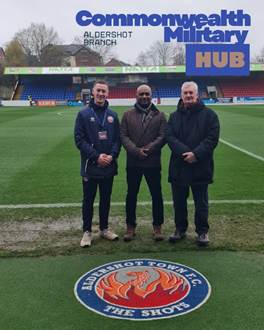
These initiatives, such as the Commonwealth Military Hub at Aldershot Town FC, create spaces where serving personnel, veterans, and civilians meet, work together, and form lasting connections.
For those thinking about making the leap into a new career, a practical starting point is to build your online presence: update your LinkedIn profile and, if relevant, your personal website so they reflect both your soldier identity and your civilian aspirations. Alongside that, volunteering in the community, joining local groups, and attending networking events all help you understand the private sector better and “put boots on the ground,” so you can discover roles and organisations you might never have realised were a strong fit.
Talking about career change: Understand what you have.
Whether you are facing redundancy, changing trades, or simply figuring out your next move, understanding what you already have is crucial. Over a military career, most people join young and, by the time they leave, their personality, skills, knowledge, and talents have grown far beyond what they started with.
Your close family and friends can be powerful mirrors for that growth. They can offer emotional support and practical insights, helping you see strengths and progress you might overlook yourself. Open, honest conversations also help them understand your motivations, fears, and hopes, which is especially important because career changes today can feel more complex and stressful than in the past.
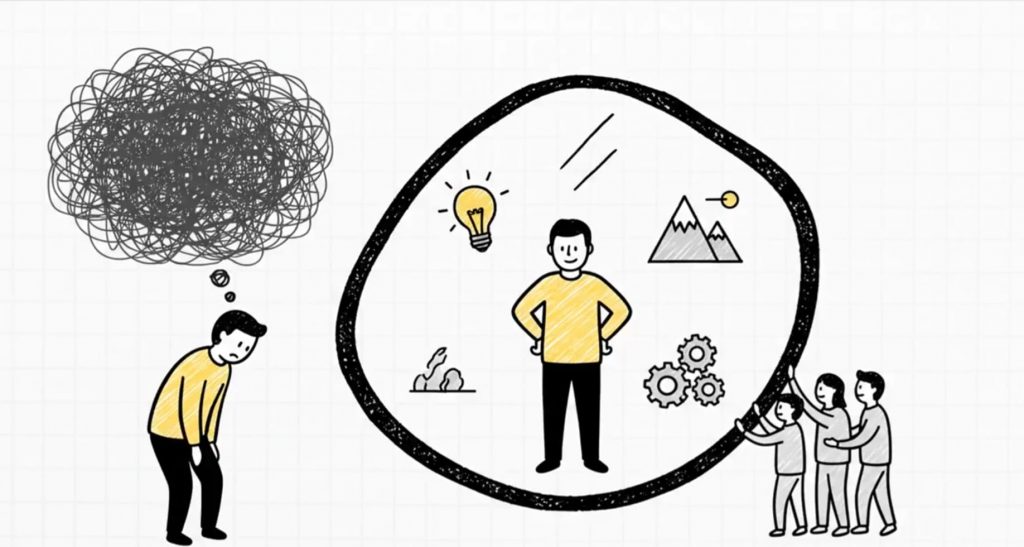
It can help to be intentional about when and how you talk. Dedicated family time or regular check-ins are often better than trying to have deep conversations at busy, emotionally charged holiday gatherings, where stress levels are already high. Families who build these routines of open communication tend to report stronger bonds and greater resilience, which can really support you during a major transition.
If your family is generally supportive, share your overall approach to your career change rather than every detail. For example, explain that you plan to update your skills, expand your network, and seek guidance from mentors, and then tailor how much detail you share based on each person’s relationship to you and their capacity to help. This shows you are taking responsibility and can reduce some of the uncertainty they may feel.

Finally, invite them to be part of the journey. That might mean asking for help with research, encouragement when things feel tough, or brainstorming ideas together. Involving close families and friends in a way that respects existing dynamics not only gives you more practical support, it can also strengthen relationships at a time when you need a solid foundation around you.
Talking about career change: Understand where you want to go.
If you are not clear on where you want to go, getting there will be slow, frustrating, and often disappointing. The same way poor planning can ruin a simple family outing, a lack of direction can derail your career transition.
Imagine it is Saturday, payday, and you take your family into town for a nice meal. You park the car, start walking around, but you still have not decided what you want to eat. Several restaurants are fully booked, the kids are getting upset, and after a while, you give up and grab a KFC bucket to take home. If you had decided on the restaurant before leaving the house and booked a table, the whole experience would have been smoother and far more enjoyable.
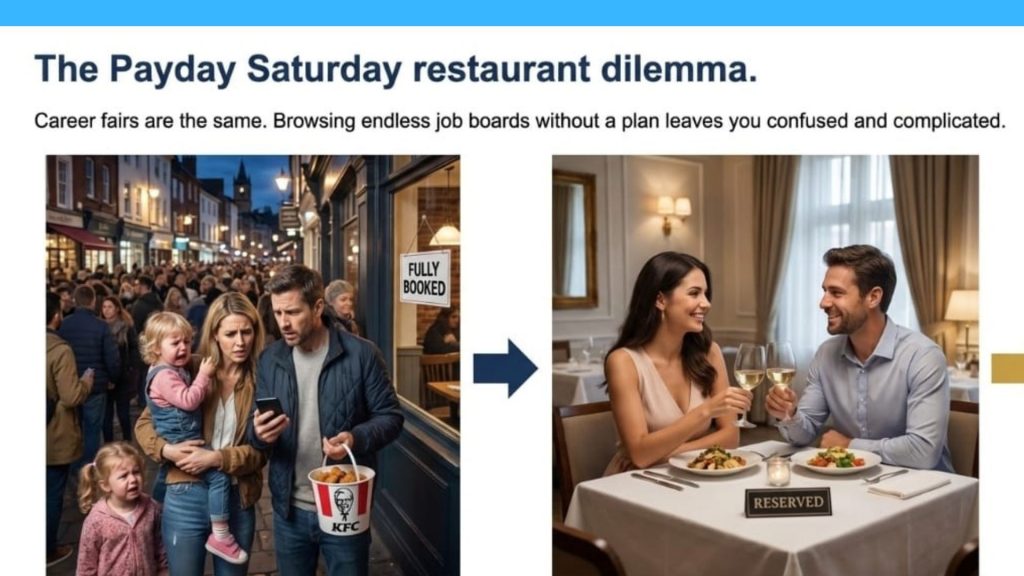
Career change works in a similar way. Without a clear sense of where you want to head, you can easily end up overwhelmed by options and underwhelmed by outcomes.

Iveri, one of our deputy chairs for Op: Belonging in Scotland, once said that he went to a career fair and came out “confused and complicated” – and many people feel the same after browsing endless job boards or attending generic events. Having a plan, even a simple one, makes all the difference. When you know your direction, you can prepare, speak with confidence about your goals, and handle career transition conversations with far more clarity and calm.
Talking about career change: Understand how to get from here to there.
Every career path comes with its own unique mix of challenges and possibilities, and a mid-career transition can feel especially daunting and unfamiliar. It is completely normal to feel some nerves about those big conversations around your next steps. Reach out to family, friends, and especially current or former colleagues who have walked a similar road – you do not have to do this on your own.
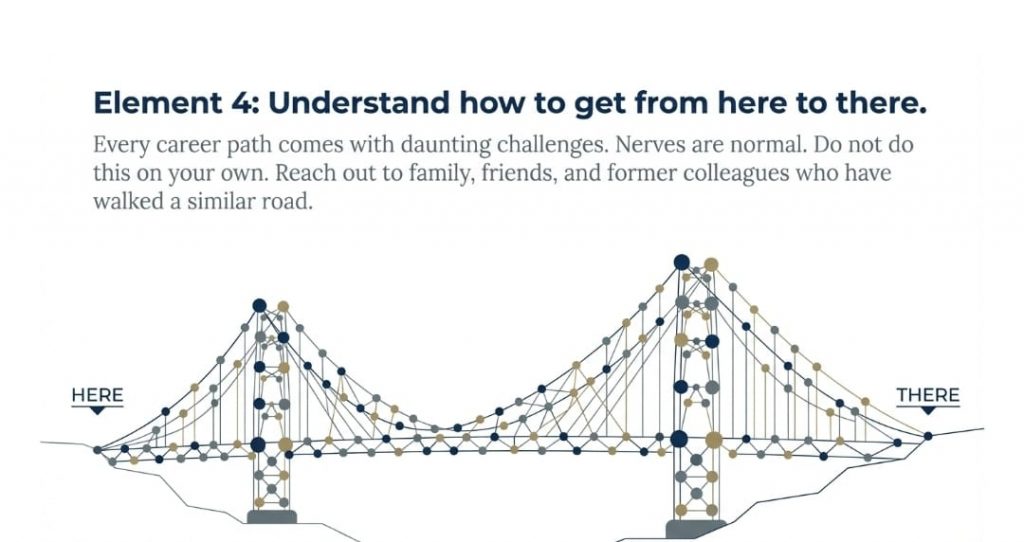
For instance, it is one thing to say “anyone can become a scholar,” but it means committing to lifelong learning, staying current in your field, and embracing constant growth.
Career transitions are not one-off events; they are part of an ongoing journey. In today’s VUCA (volatile, uncertain, complex, ambiguous) world, expect to pivot to a new role or direction every couple of years. I have had 11 successful careers so far and am excited for at least five more before I slow down – and you should be too. When you truly understand the value you bring, you can deliver it with joy across any industry or sector, making this your time to thrive.
SAMUEL T. REDDY is an authority in career transition and leadership for Commonwealth & Overseas citizens and is the author of four career transition books. He is the CEO of the LTL Academy, a military-style accredited training and development organisation working in partnership with several universities and business schools across the UK, Asia, and Africa. Born in Mauritius, he served with the Royal Fusiliers, Royal Logistics, as a Movement Controller and left as an Army Linguist, then joined the regular reserve. You can join his Weekly Wednesday Webinar by registering at www.LTLB3.com.